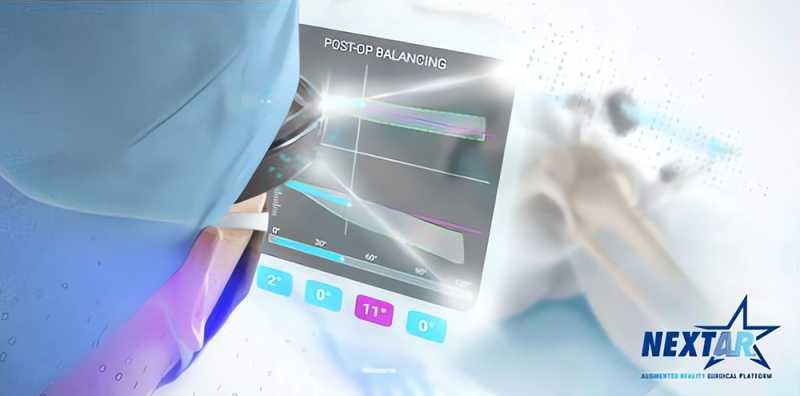
3D Hip and Knee Replacement in Qatar
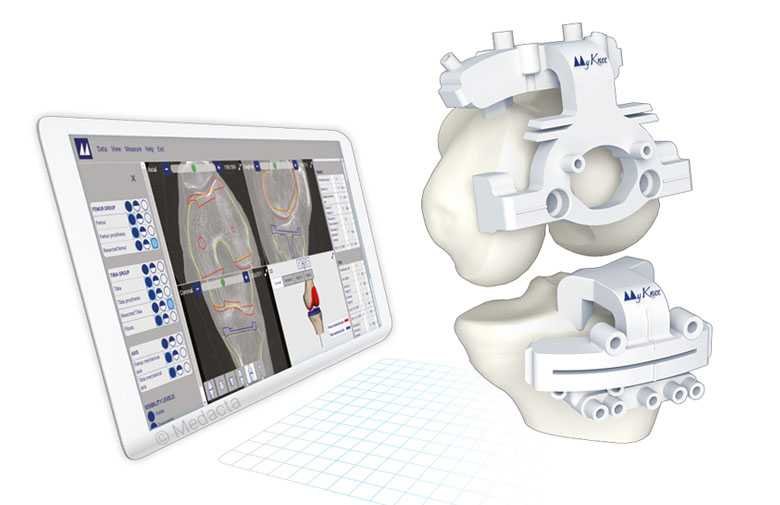
3D Hip and Knee Replacement in Qatar
What does 3D technology mean in joint replacement?
“3D” can describe different technologies used around hip or knee replacement, including three-dimensional imaging and planning, computer-generated models, navigation data or patient-specific guides in selected cases. It should not be assumed that every 3D-assisted operation uses a 3D-printed implant.
Planning before surgery
Three-dimensional planning can help the surgical team understand anatomy, alignment and implant sizing in more detail, particularly when standard two-dimensional views do not fully describe the problem. The amount of technology needed depends on the diagnosis, previous surgery, deformity and the procedure being planned.
Patient-specific guides or components
Some workflows can produce patient-specific cutting or positioning guides, and certain complex cases may use custom components when clinically indicated and available. These options are not necessary for routine joint replacement in every patient. The decision is based on whether the technology solves a specific planning or reconstruction problem.
How 3D differs from robotic surgery
3D planning and robotic assistance are related but not identical. A robotic platform may use digital planning and intra-operative guidance, while a 3D workflow may be used before surgery without a robot. Both are tools that support the surgeon rather than replace surgical judgement.
Expected outcomes and recovery
The goals of replacement remain pain reduction, stability and functional improvement in appropriately selected patients. A technology label alone cannot guarantee a better or faster recovery. Outcome depends on correct indications, accurate execution, medical health, implant factors and rehabilitation.
At Aman Hospital in Doha, Dr. Feras Ashouri assesses whether 3D planning, navigation, robotic support or standard techniques best fit the specific hip or knee replacement case.
Learn more about 3D and robotic hip and knee surgery in Qatar and Dr. Feras Ashouri at Aman Hospital.