Robotic Knee Replacement in Qatar

Robotic Knee Replacement in Qatar
What does robotic knee replacement mean?
Robotic-assisted knee replacement is a knee replacement in which a technology platform supports parts of surgical planning and bone preparation. The surgeon remains responsible for the diagnosis, operative plan, soft-tissue decisions, implant selection and the procedure itself. The robot does not operate independently.
How the technology may help
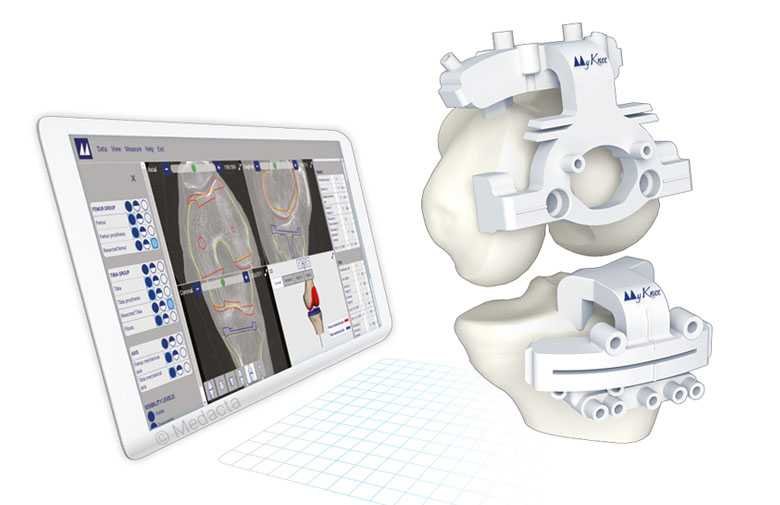
Depending on the system, the technology can provide measurements of the knee, support planned bone cuts or component positioning, and help the surgeon assess alignment and balance during the operation. These are technical aids designed to support consistent execution of a patient-specific plan.
Who may be considered?
Patients must first be appropriate candidates for knee replacement. The key indication remains symptomatic arthritis or joint damage that justifies replacement after clinical assessment. Robotic assistance is not a reason to operate earlier and does not turn a patient who does not need replacement into a surgical candidate.
Robotic versus conventional replacement
Both conventional and technology-assisted knee replacement can be performed successfully when properly indicated and executed. Current technologies may improve some aspects of planning or intra-operative measurement, but they do not guarantee less pain, a shorter recovery or a better long-term result for every patient. Rehabilitation, medical condition, implant performance and surgical judgement remain important.
Recovery and safety
Recovery follows the principles of knee replacement rehabilitation: early safe mobility when medically appropriate, movement, swelling control and progressive strengthening. The individual risk profile remains similar to major knee replacement surgery and includes infection, blood clots, stiffness, fracture, neurovascular injury, persistent symptoms and possible future revision.
Dr. Feras Ashouri performs and evaluates technology-assisted knee replacement at Aman Hospital in Doha, Qatar, selecting robotic or navigation support when it adds value to the individual surgical plan.
Learn more about robotic knee surgery in Qatar and Dr. Feras Ashouri at Aman Hospital.