Partial Knee Replacement in Qatar
Partial Knee Replacement in Qatar
What is partial knee replacement?
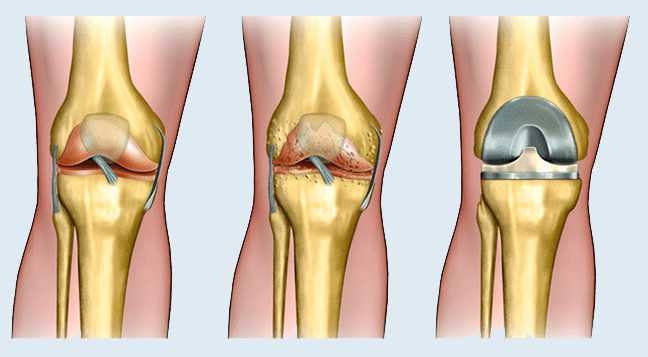
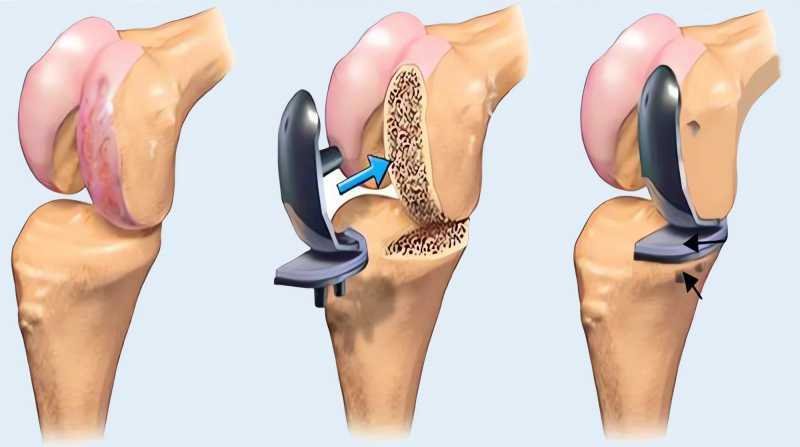
Partial knee replacement resurfaces only the compartment of the knee that is significantly damaged while preserving the unaffected compartments and as much natural tissue as possible. It is not a smaller version of total knee replacement for every patient; it has specific selection criteria.
Who may be a candidate?
A candidate typically has symptoms and arthritis predominantly limited to one knee compartment, with ligament function, alignment and the remaining joint surfaces suitable for a partial procedure. Examination and weight-bearing X-rays are commonly important, and additional imaging may be used when the diagnosis or extent of disease is uncertain.
Why selection matters
If arthritis is widespread, deformity is not correctable, instability is significant or other compartments are symptomatic, total knee replacement may be more appropriate. Choosing a partial replacement when the disease is not truly compartment-limited can leave untreated sources of pain.
Planning and technology
Accurate bone preparation, implant position and soft-tissue balance are important. In selected cases, navigation or robotic-assisted systems can support planning and execution. The technology is an aid; it does not change the need for correct diagnosis or appropriate indications.
Recovery and follow-up
Rehabilitation focuses on safe walking, movement and progressive strength. Some patients may progress quickly, but recovery speed varies and should not be promised before assessment. Long-term follow-up is important because arthritis can progress in other parts of the knee and any implant can eventually require revision.
Dr. Feras Ashouri evaluates suitability for partial versus total knee replacement at Aman Hospital in Doha, Qatar.
Learn more about knee assessment and treatment pathways in Qatar and partial and advanced knee care with Dr. Feras Ashouri.