Knee Replacement Surgery in Qatar
Knee Replacement Surgery in Qatar
When is knee replacement considered?
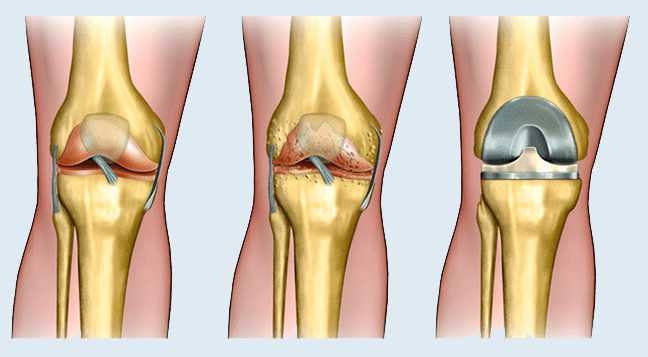
Knee replacement is considered when arthritis or joint damage causes persistent pain, stiffness or loss of function and appropriate non-surgical treatment no longer provides enough relief. The decision is based on symptoms and function as well as examination and imaging; an X-ray finding by itself is not an indication for surgery.
Total or partial replacement?
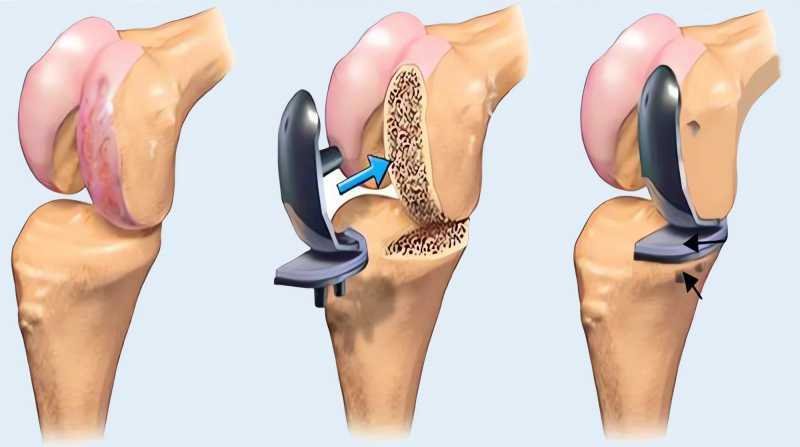
Some patients have damage affecting several compartments of the knee and may require total knee replacement. Others have disease limited to one compartment with suitable ligaments and alignment and may be candidates for partial knee replacement. The distinction is made through clinical assessment and imaging.
Planning the operation
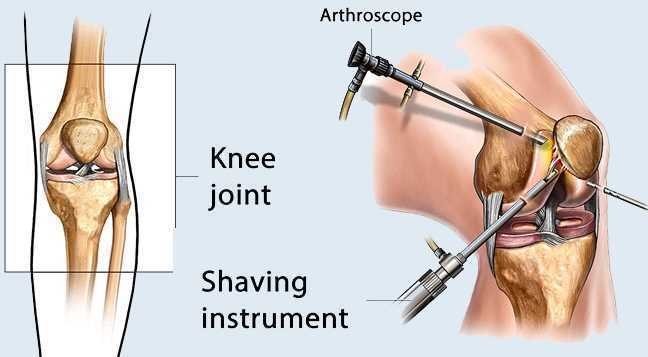
Planning considers limb alignment, bone anatomy, stability, range of movement and implant position. Conventional instruments, computer navigation, robotic or other technology-assisted systems may be used when clinically appropriate and available. Technology supports the surgical plan; it does not replace diagnosis, operative judgement or rehabilitation.
Recovery and rehabilitation
Mobilization and physiotherapy usually begin early when the patient’s condition allows. Initial goals include safe walking, knee movement, swelling control and progressive strengthening. The time needed to return to work, driving and higher-level activities varies with the individual and the demands of those activities.
Risks
Potential complications include infection, blood clots, stiffness, bleeding, fracture, nerve or vessel injury, persistent pain, instability and the possibility of later revision surgery. The personal risk profile is reviewed before surgery and preventive steps are tailored to the patient.
Dr. Feras Ashouri assesses knee replacement patients at Aman Hospital in Doha, Qatar and selects the procedure and technology according to the individual knee rather than a one-size-fits-all pathway.
Learn more about knee replacement and treatment options in Qatar and specialist knee assessment with Dr. Feras Ashouri in Qatar.
Kinematic Alignment technique
Knee Replacement With Kinematic Alignment by Dr. Feras Ashouri
Dr. Feras Ashouri presents knee replacement using Kinematic Alignment with a limited surgical approach that avoids cutting tendons or muscles, aiming to restore alignment closer to the patient’s natural knee motion and support balance, mobility and recovery.
Knee replacement with Kinematic AlignmentAman Hospital, Doha, Qatar